
A landscape that looks effortless is almost always the result of careful planning. Whether you’re starting with a blank yard or reworking an established property, planning your landscape design up front saves money, prevents costly mistakes, and gives you an outdoor space that fits how you actually live. Here’s how to plan a landscape design for your Princeton-area home, step by step.
Start by walking your property with fresh eyes. Note where the sun falls and where it stays shady, where water collects after a storm, which slopes and mature trees you want to keep, and how your home’s architecture might inspire the design. Then get your ideas on paper — a plan brings clarity, shows the full scope of the work, and lets you make decisions before a single shovel goes in the ground.
1. Start with your goals
Before you choose a single plant or paver, decide what you want your yard to do for you. Getting clear on goals keeps the whole project focused. Ask yourself:
- Do you want a space for entertaining, or a quiet retreat?
- Are you after better curb appeal, more privacy, or both?
- Do you need a safe, open lawn for kids or pets?
- Are there problem areas — poor drainage, erosion, a muddy low spot, or a slope you can’t use?
- Do you want to use the space at night, which means lighting?
- How much maintenance are you realistically willing to take on?
2. Read your site: sun, soil, slope & drainage
Every successful design starts with an honest read of the site. In the Princeton area, a few local conditions matter a great deal:
- Soil: Much of Mercer County sits on heavy clay that drains slowly and compacts easily. Amending beds with compost and choosing clay-tolerant plants makes a big difference.
- Sun and shade: Mature tree canopy is common in older Princeton neighborhoods, so many yards have real shade. Match plants to the light they’ll actually get.
- Slope and drainage: Rolling terrain plus clay soil means water management is often the make-or-break detail. Plan grading, drainage, and rain gardens early — not as an afterthought.
- Deer: Deer pressure is heavy throughout the area. Designing around deer-resistant plants will save you a lot of heartbreak.
3. Know your planting zone
The Princeton area falls in roughly USDA Hardiness Zone 7a, which tells you which plants can survive our winters. Sticking to plants rated for your zone — and planting them in the right season — is one of the easiest ways to guarantee they thrive. Native plants are especially reliable: they’re adapted to our climate and soils, support local pollinators, and generally need less water once established.
4. Choosing the right plants
This is where a yard comes to life — and where local knowledge pays off. The golden rule is right plant, right place: match each plant to your soil, light, and moisture instead of fighting nature. A few dependable choices for Princeton-area landscapes:
- Native trees & flowering shrubs: Eastern redbud, serviceberry, and flowering dogwood for spring color; oakleaf hydrangea, itea, and native viburnums for structure and fall interest.
- Evergreens & privacy: Inkberry holly, blight-resistant boxwood, and arborvitae for screening and year-round green.
- Sun-loving perennials: Coneflower (Echinacea), black-eyed Susan (Rudbeckia), catmint, Russian sage, coreopsis, and sedum — long-blooming and pollinator-friendly.
- Ornamental grasses: Little bluestem and switchgrass add movement and four-season texture.
- Shade plants: Ferns, hellebores, astilbe, and heuchera brighten shady spots under mature trees.
A note on deer: If deer visit your yard (and here, they do), lean on deer-resistant plants like boxwood, catmint, Russian sage, ornamental grasses, and hellebore — and go easy on deer favorites like hostas and tulips unless you’re ready to protect them.
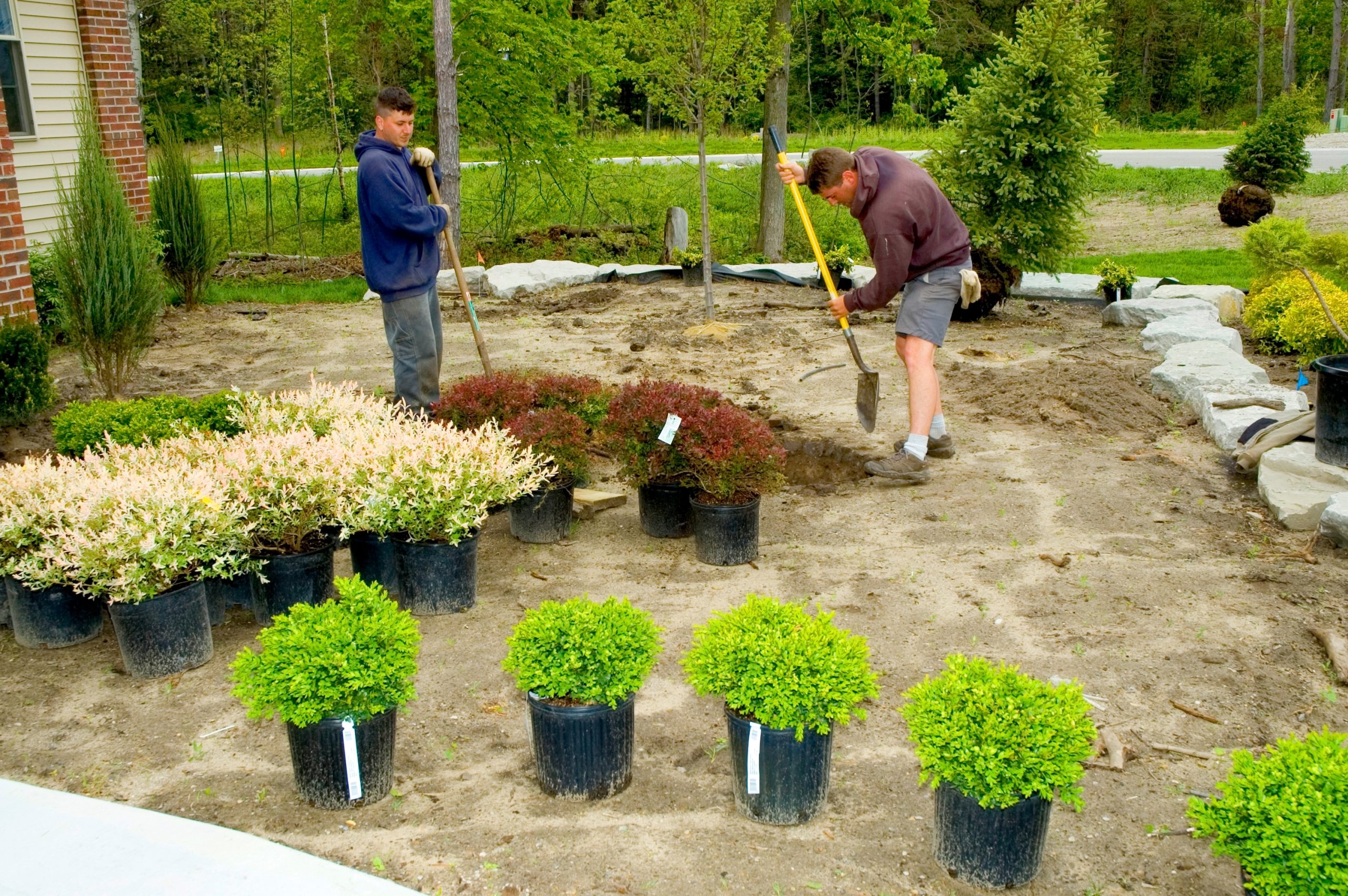
Two quick design tips: in small spaces, limit your plant variety and color palette to make the area feel larger; in large spaces, group the same plants and colors in bold blocks so they read from a distance instead of looking busy.
5. Design with intention
The best landscapes feel cohesive, not collected. Choose a loose theme — clean and modern, classic and formal, or naturalistic and native — and let it guide your choices. Repeating a material, a color, or a curve throughout the yard ties everything together and makes even a large property feel unified. Every element should balance form and function: beautiful to look at, and genuinely useful.
6. Add the hardscape “bones”
Once you know how you’ll use the space, define it with hardscaping — the patios, walkways, walls, and features that give a yard structure and make it livable. Good hardscape actually makes your plantings look better by framing them. Explore our hardscaping, patios and pavers services, and think through materials early, since they set the tone for everything else:
- Pavers — consistent, durable, and available in countless colors and patterns; easy to repair.
- Natural stone (bluestone, fieldstone, flagstone) — timeless, unique, and ages beautifully.
- Brick — classic and warm, a natural fit for many Princeton-area homes.
- Concrete — budget-friendly for larger areas, now available stamped and stained.
Common features to plan for: patios, walkways, steps, retaining walls, fire pits or fireplaces, and outdoor kitchens. Whatever you choose, insist on proper base preparation and drainage — that’s what keeps hardscaping level and crack-free through our freeze-thaw winters.

7. Layer in lighting, drainage & finishing touches
The details are what make a landscape feel finished. Landscape lighting extends how you use the space after dark and adds safety and security. Thoughtful drainage and rain gardens protect your investment from erosion and flooding. And finishing touches — crisp edging, fresh mulch, and seasonal color — give the whole property that cared-for look.
8. Put it on paper: plans & 3D renderings
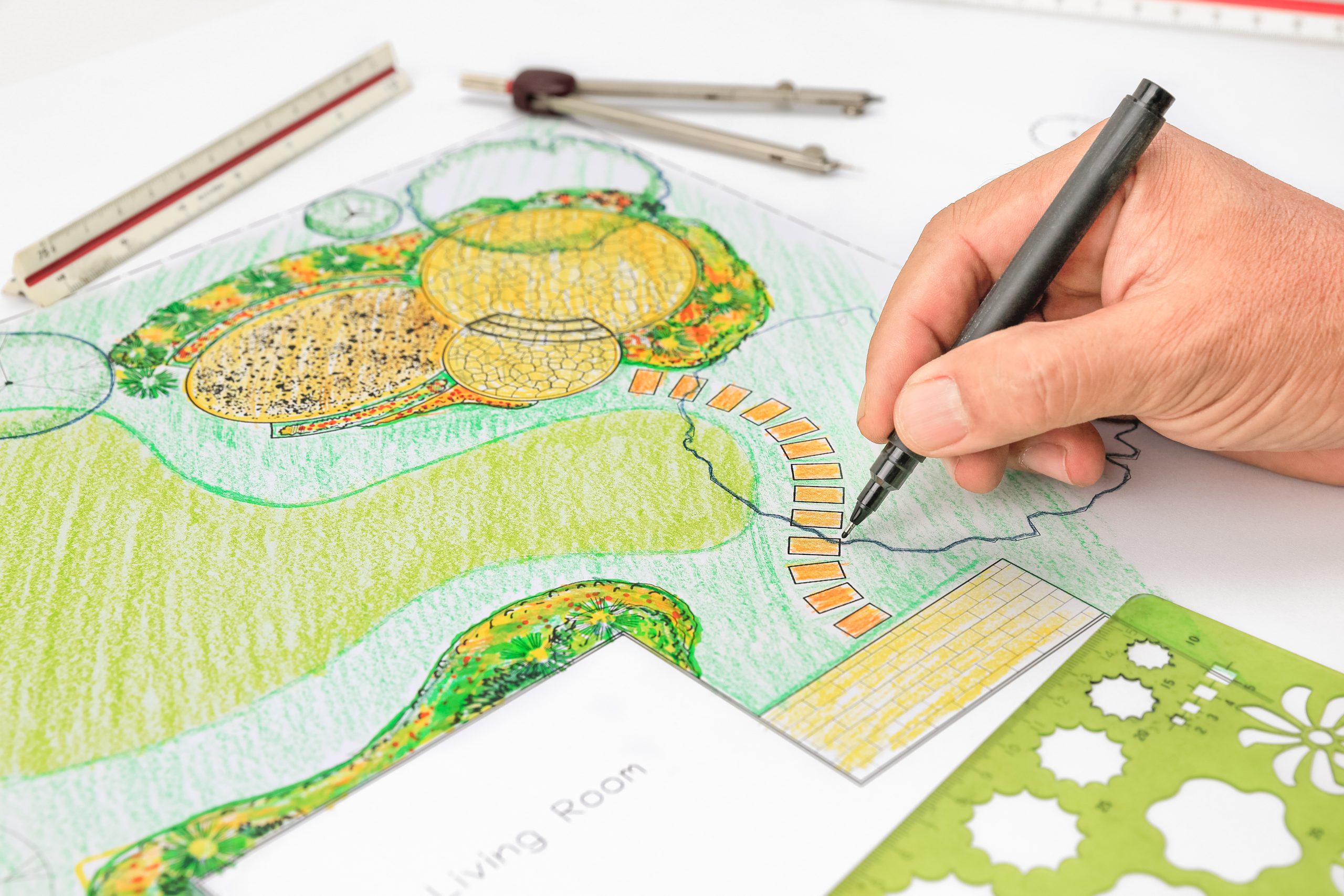
Never start construction without a plan. Scaled drawings — showing your home’s footprint, existing trees, driveways, and structures — make sure every element fits together before you spend a dollar on installation. Better yet, ask about photorealistic landscape design renderings and 3D walkthroughs, so you can see your finished yard and refine materials, layout, and plantings with confidence.
9. Work with a local pro
Local experience is worth a lot. A designer who knows Princeton-area soils, our Zone 7a climate, deer pressure, and neighborhood character will steer you toward choices that work here — and away from expensive mistakes. Planning for ongoing care from day one with a full property maintenance plan keeps your new landscape looking its best for years.
Ready to plan your landscape design?
Camillo Pirone Landscapes has designed, built, and maintained beautiful outdoor spaces across Princeton and Mercer County since 1965. Call (609) 921-0531 or request a free consultation, and we’ll walk your property and help turn your ideas into a plan.
